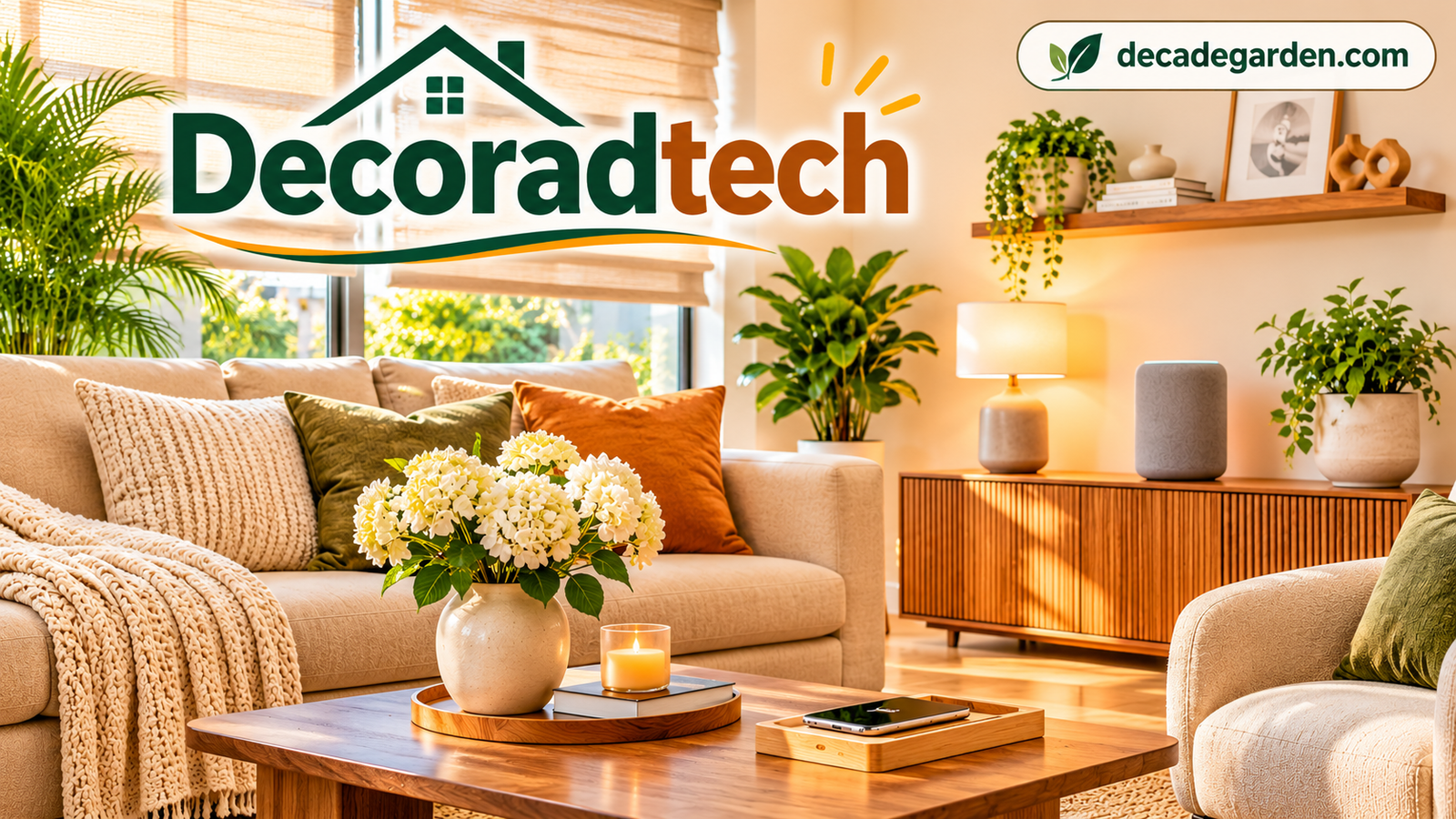
Decoradtech is changing how you think about smart homes. Instead of filling every corner with bulky gadgets, you hide the technology inside your décor and let the design lead. Picture lamps that dim on cue, shades that rise with the sun and speakers that vanish into the shelf. It sounds fancy but it’s surprisingly easy to start. You don’t need a big budget or a full renovation.
A few well-chosen upgrades can make a room calmer and smarter at the same time. This guide walks you through the basics, the best starter upgrades and the mistakes worth avoiding. Ready to build a home that looks great and works even better?
What Decoradtech Means for Your Home
Picture décor first and gadgets second. Each device has to earn its place by supporting the room’s look and your daily routine. If a gadget can’t blend in, it hides. If it can’t hide, it doesn’t stay. That’s the heart of good interior design with smart devices.
The term is still fairly new and loosely defined. No single brand owns it. That’s good news because you can shape it around your taste, budget and lease rules. Most home automation upgrades are easy to start small and expand later.
Why This Approach Works So Well
A tidy room feels calmer. When cables, hubs and screens disappear, your furniture and color palette take center stage. Technology then supports the mood instead of stealing it. Lower visual clutter is the main reason designers now care about smart home integration.
Comfort and savings come along for the ride. Scheduled lighting and thermostats improve energy efficiency, and automated routines save you small chores every day. Renters can join in too since most upgrades need no drilling.
The Core Upgrades Worth Your Money
You don’t need to automate everything. Five categories give the biggest return in both looks and daily convenience.
Start with one or two and live with them for a few weeks. Then add more once you know what you actually use.
Smart Lighting
Lighting does the heaviest lifting. Choose bulbs with adjustable color temperature and set dimmer scenes for dinner, movies and mornings. Warm light flatters wood and fabric while cool light suits a home office. Stick to one lighting scheme so rooms flow together.
Hidden Audio
Skip the black speaker towers. Look for in-wall speakers, a soundbar that matches your media console or fabric-wrapped units that vanish on a shelf. Good wireless audio fills the space without adding visual noise.
Smart Window Treatments
Motorized shades give you clean lines and hands-free control. Schedule them to open at sunrise and close when afternoon glare hits. You’ll protect furniture from fading and ease cooling costs. Many smart blinds now come in linen and woven finishes.
Security That Blends In
Cover the entry points that matter: front door, back door and maybe the garage. Slim video doorbells and compact smart locks come in matte black or brushed nickel to match your hardware. Keep cameras out of private rooms.
Charging Zones
Cables ruin a good shelf. Build one charging station inside a drawer or lidded tray and route every cord through it. Add wireless charging pads to nightstands so phones rest on a clean surface.
Decoradtech Upgrades You Can Add Room by Room
Not sure where to begin? This snapshot matches common rooms with upgrades that look good and work hard. Pick the row that fits your biggest daily annoyance.
| Room | Upgrade | Décor Benefit | Effort |
|---|---|---|---|
| Living room | Smart bulbs and dimmers | Scene-based mood lighting | Low |
| Bedroom | Smart blinds | Clean window lines and gentle wake-up light | Medium |
| Kitchen | Under-cabinet LED strips | Task light that doubles as a soft glow | Low |
| Entryway | Smart lock and slim doorbell | Security without bulky hardware | Medium |
| Home office | Wireless charging desk pad | Cable-free work surface | Low |
Notice that three of five picks are low effort. That’s why many people finish their first home upgrade in a single weekend.
Decoradtech Tricks for Hiding Technology in Plain Sight
Paint is your best friend. Match switches, plates and small hubs to the wall color so they fade away. Paint cord covers to match the baseboard and tuck wires behind furniture or inside cable raceways.
Furniture can do the hiding too. A console with a vented back panel holds routers and streaming boxes neatly. Plants, baskets and books soften whatever stays visible. Just leave room for ventilation so devices don’t overheat.
Common Mistakes to Avoid
Buying everything at once is the classic trap. Devices from different brands may not talk to each other. Pick one ecosystem and check for Matter support before you shop. That keeps your apps simple and your smart home reliable.
Overdoing it is the other mistake. Not every lamp needs an app. Ask whether a feature solves a real problem. Also protect your privacy with strong passwords, a separate guest network and regular firmware updates.
Decoradtech on Any Budget
You don’t need a big spending plan to start. These rough ranges show what each level can realistically get you. Prices vary by brand and sales.
| Budget | What to Buy | Impact |
|---|---|---|
| Under $100 | Smart bulbs, LED strips, a smart plug | Instant mood lighting |
| $100–$300 | Video doorbell or smart thermostat, wireless charger | Better security and comfort |
| $300 and up | Motorized shades, in-wall audio | A premium, built-in look |
Spend first where you feel friction every day. A smart thermostat or a good lighting setup usually beats flashy extras.
Where This Trend Is Heading
Expect smaller devices and quieter design. Wider Matter support is helping products work across brands, so you’ll worry less about compatibility. Surfaces and materials with built-in sensors and touch controls are also appearing in higher-end furniture and lighting.
AI assistants will likely learn your routines and adjust light, temperature and sound on their own. That’s exciting but it raises fair questions about data. Choose brands with clear privacy policies and local control options where you can.
Final Thoughts
Decoradtech works best when you start small and stay picky. Choose one room and fix one real problem. Hide what you can and style what you can’t. Over time you’ll build a home that looks beautiful and feels effortless to live in.
Visit DG for more details.