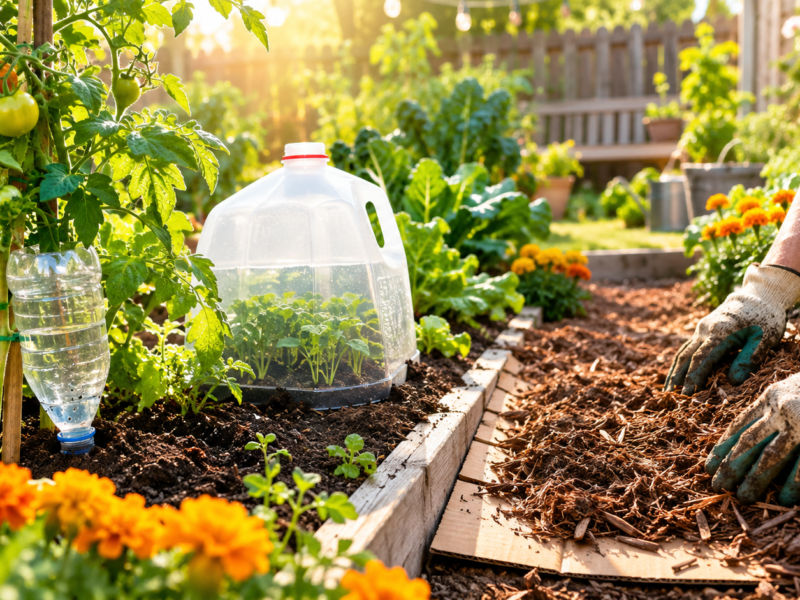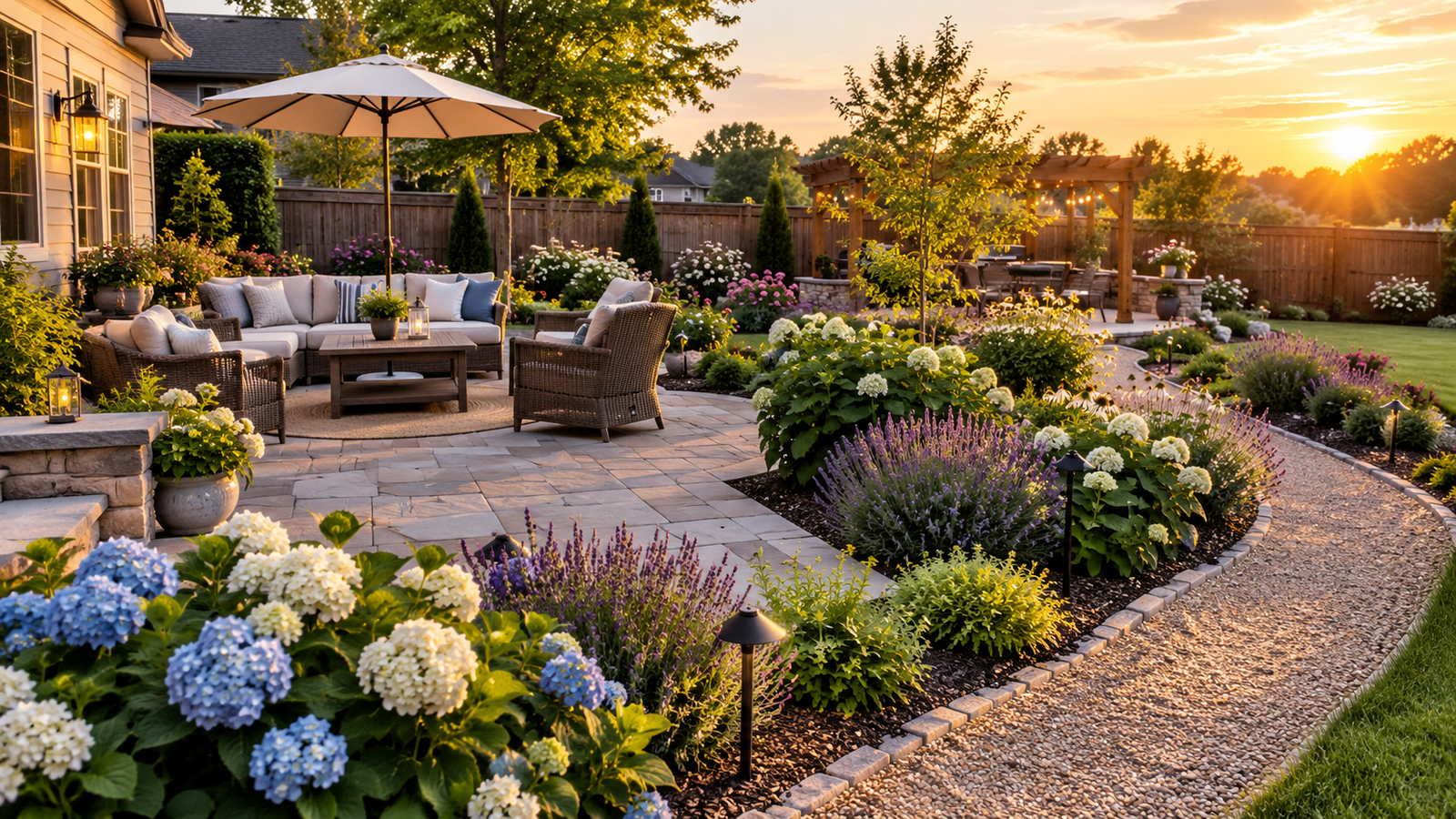
A great yard rarely comes from one frantic weekend of planting. It comes from a plan you can keep up with. This yard guide decadgarden walks through the decisions that matter most: how you use the space, what your soil and sunlight allow, and where your budget creates the biggest visible change. Whether you are starting from bare ground or fixing a yard that never quite worked, the same sequence applies — define the purpose, map the conditions, build in stages, and choose plants and materials that survive real weather and real schedules. Get those four things right and the decorative details become easy. Everything below stays practical, affordable, and repeatable year after year.
Start With Purpose, Not Pinterest
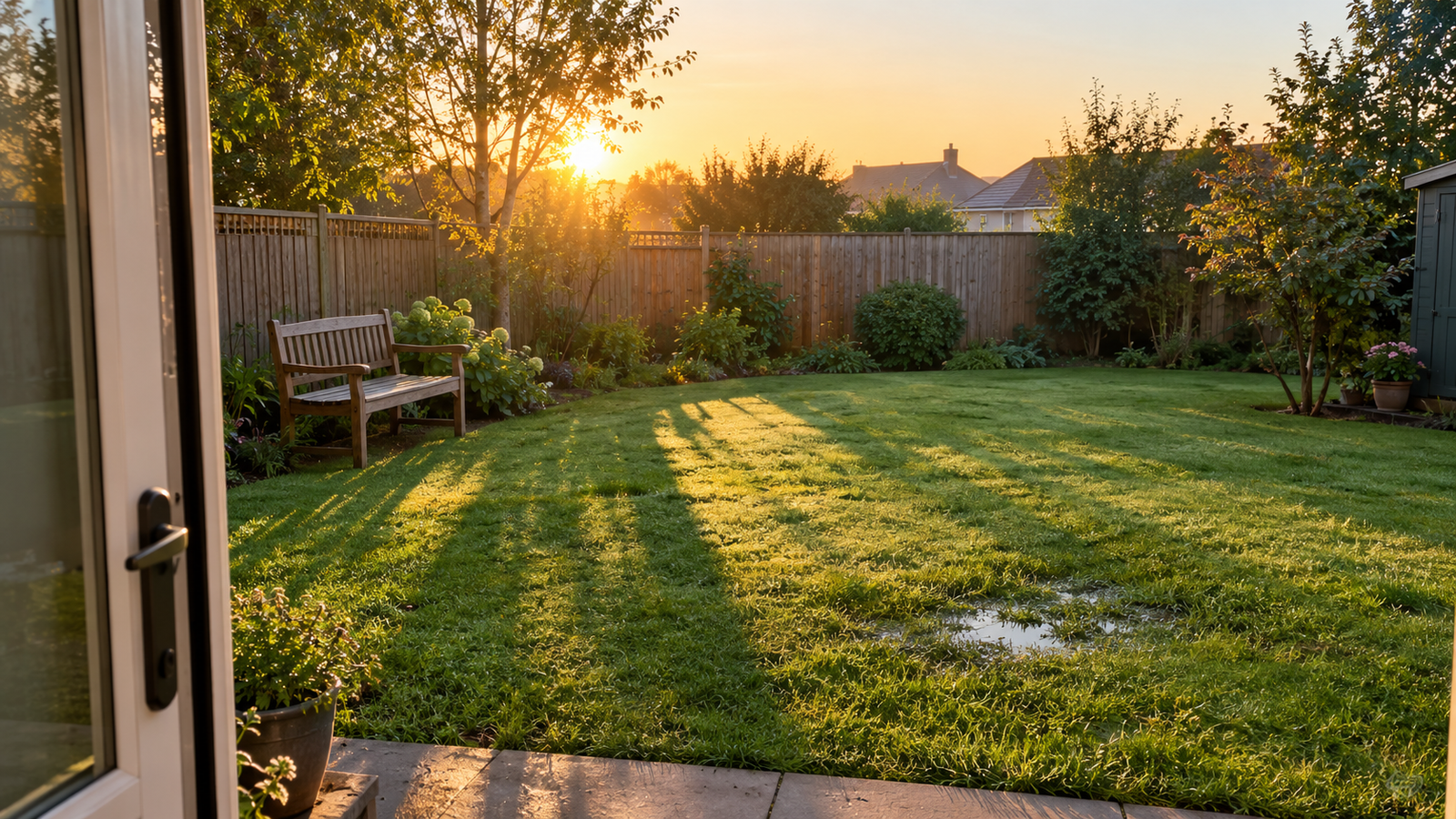
Walk your yard at three different times of day before you buy a single plant. Note where you naturally sit, where water pools, and where the sun hits hardest. Most disappointing yards fail right here: a fire pit placed in a wind tunnel, a vegetable bed in deep shade, a patio that bakes by noon. Ask one blunt question — do you want this space for relaxing, for children, for growing food, or for entertaining? Pick one primary job. A yard that does one thing well feels designed. A yard trying to do five things feels cluttered.
Read the Site Before You Spend
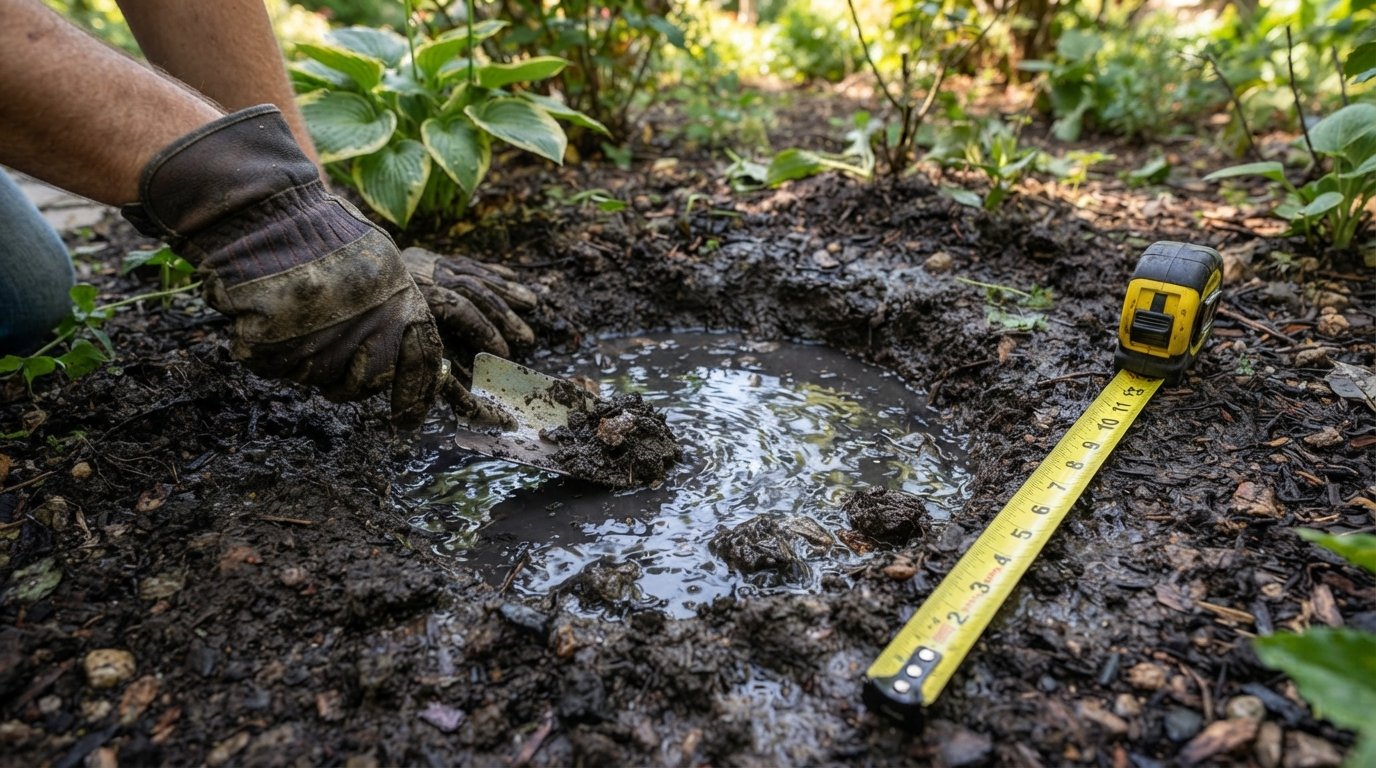
Spend a week measuring instead of shopping. Sketch the footprint, mark north, and trace how runoff moves after rain. Test soil with a simple jar or probe kit, then check drainage by digging a hole about thirty centimetres deep and filling it with water. If it drains slower than a few hours, plan raised beds or a dry creek rather than fighting it. Note frost pockets along fences and heat traps against south-facing walls. These notes turn guesswork into decisions you can defend.
Build the Yard in Four Stages
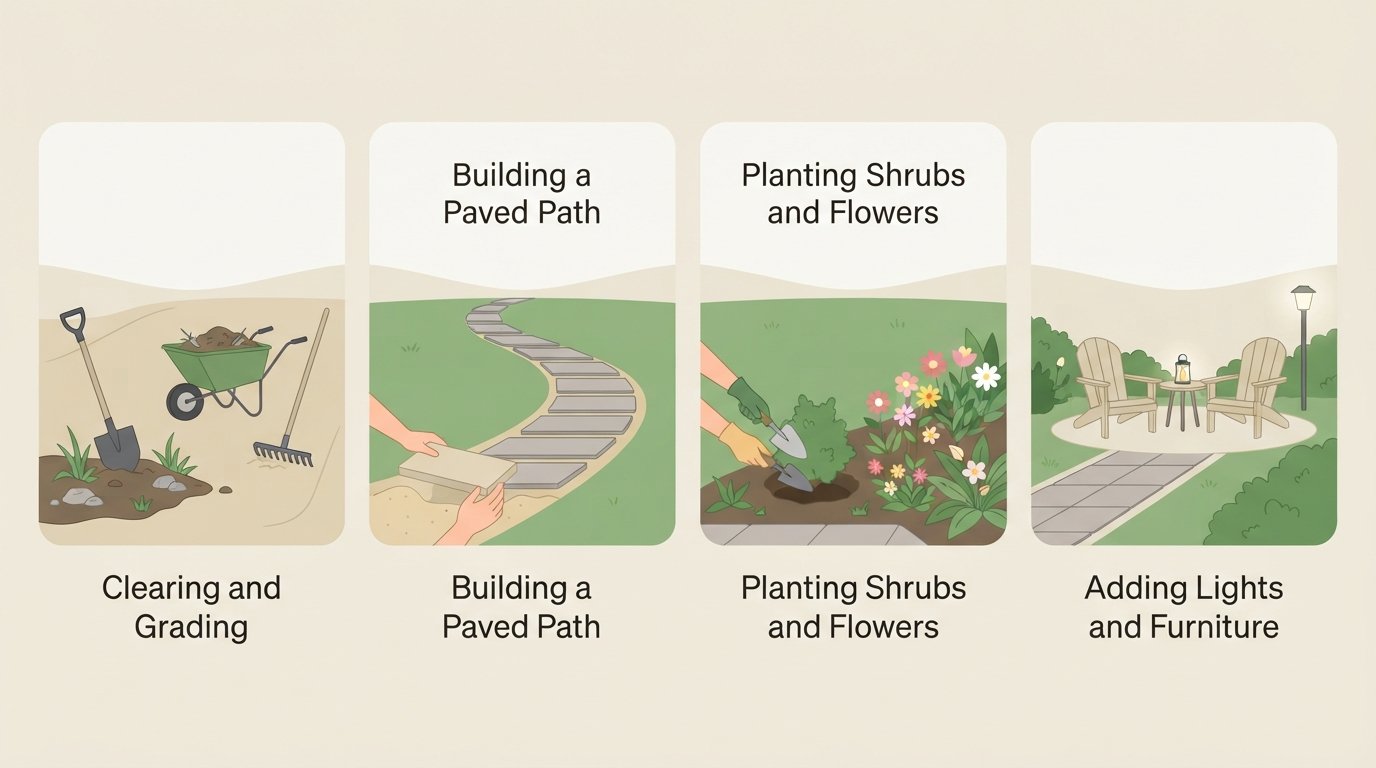
Stage the work so each phase is finished, usable, and affordable before the next begins. Skipping straight to decoration is the most common budget mistake.
| Stage | What You Do | Main Benefit |
| Clear and Correct | Remove debris, fix grading and drainage, repair fences and gates | Structure and safety; prevents costly rework later |
| Shape and Hardscape | Set paths, patio, edging, and borders | Circulation and function; usable in any weather |
| Plant in Layers | Trees first, then shrubs, then perennials and groundcover | Shelter, colour, seasonal interest; long-term value cheaply |
| Finish and Decorate | Lighting, containers, furniture, art, storage | Comfort and personality; turns a yard into a room |
Zone the Space So It Works Harder
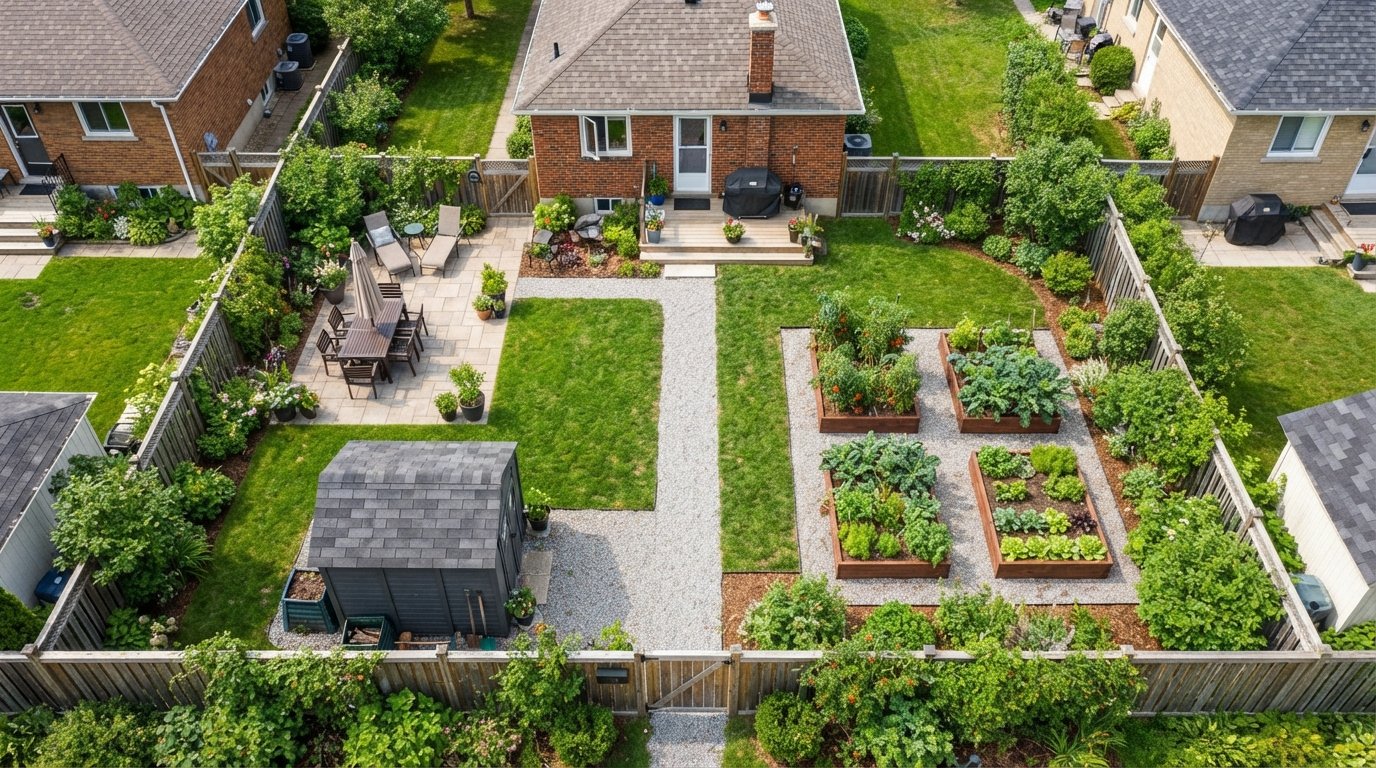
Divide the yard into clear zones and let each one do a job. A seating zone, a growing zone, a storage zone, and a transition path cover most needs. Keep the busiest route, usually from door to gate, at least a metre wide and free of obstacles. Put storage close to where tools are used, not tucked in a far corner. When zones are obvious, maintenance gets faster and the yard stays tidy with less effort.
Choose Plants That Earn Their Place
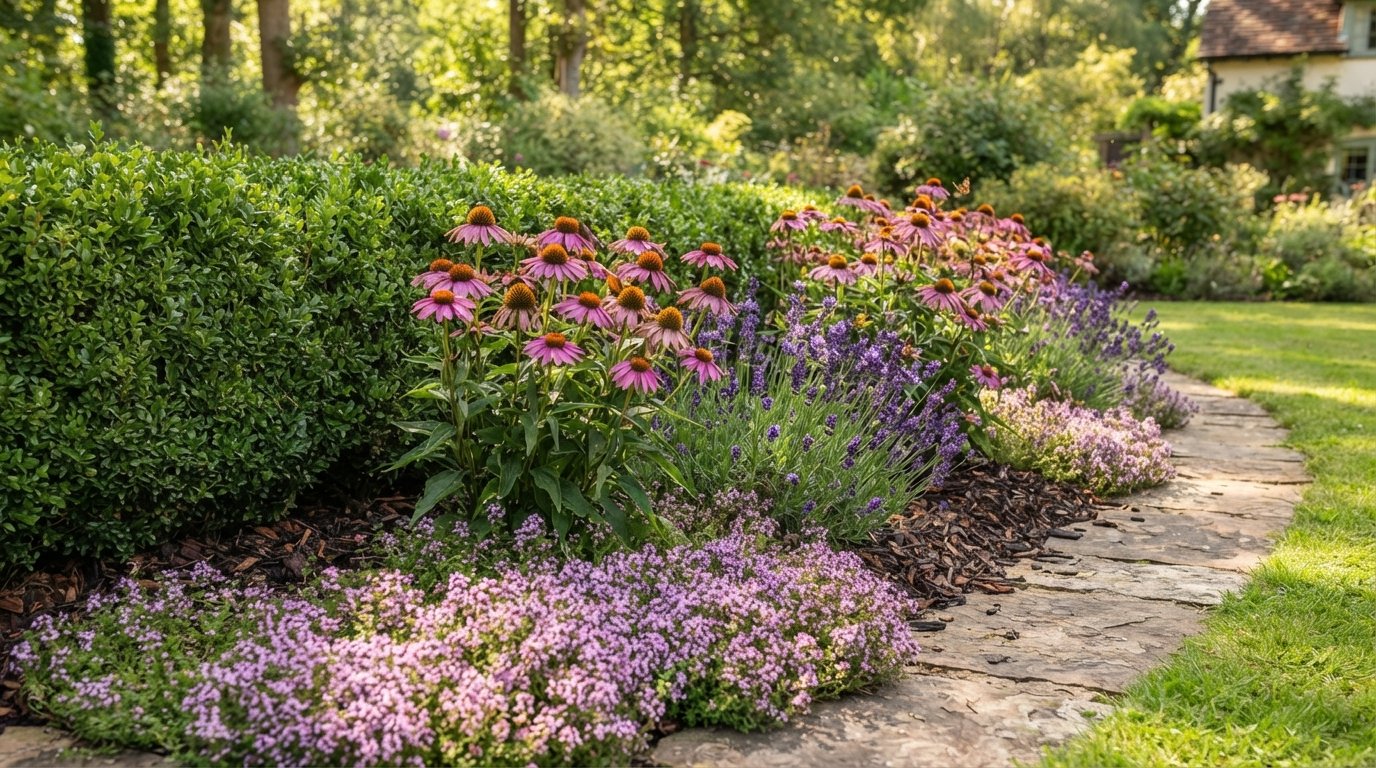
Right plant, right place beats any trend. Match species to your light, water, and winter conditions, then build layers: an evergreen backbone for year-round structure, flowering shrubs for colour, perennials for seasonal change, and groundcover to smother weeds. Group plants by water need so one irrigation schedule works for the whole bed. Native and climate-adapted species usually need less feeding, less spraying, and less replacement. Fewer, healthier plants almost always look better than a crowded collection.
Hardscape and Lighting: Where Budget Pays Off
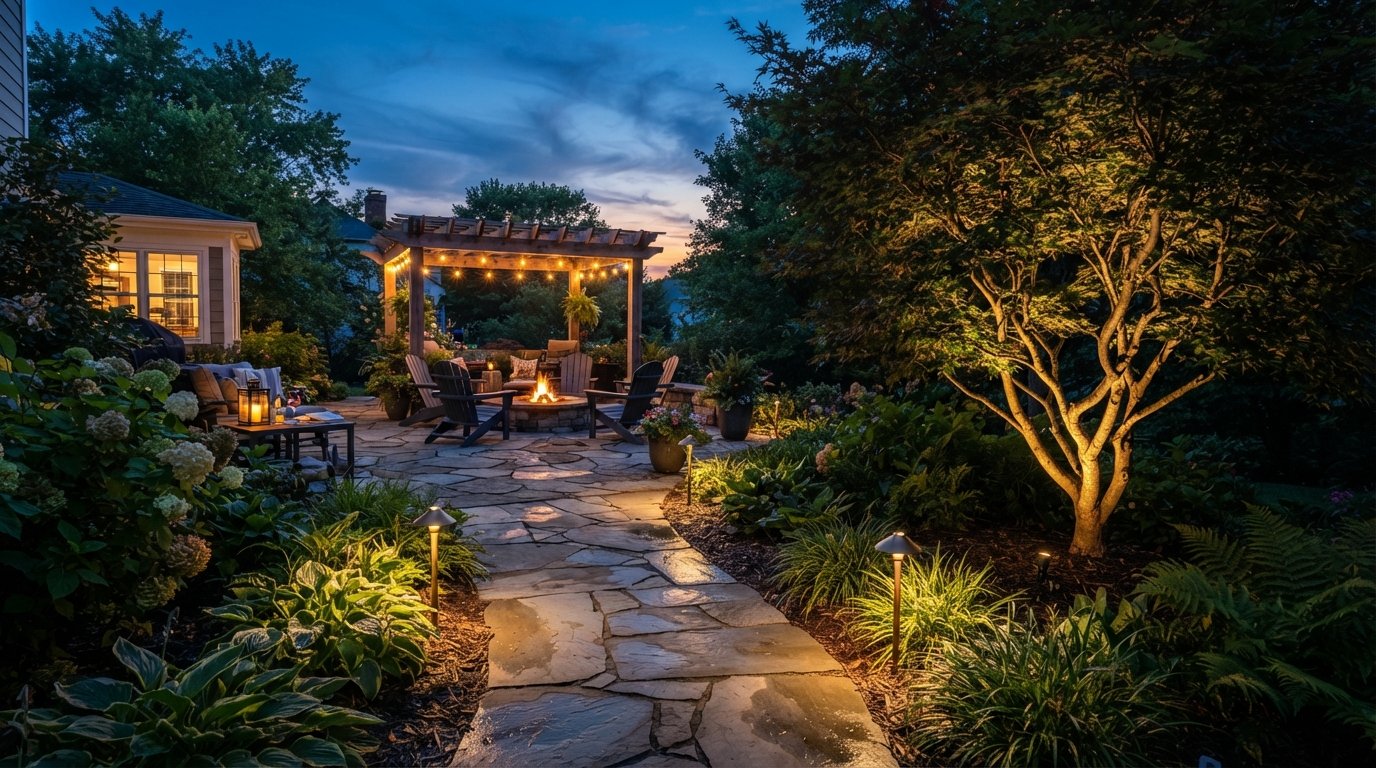
Paths, edging, and lighting change how a yard feels more than any ornament. A clean, level path signals care. Straight edges make beds look intentional; curves soften a rigid layout. For lighting, aim for three jobs — safety at steps, warmth near seating, and depth at the back of the border. Low-voltage path lights and a few uplights on a tree or wall do more than a dozen scattered decorations. Buy fewer fixtures of better quality and put them on a timer.
Keep It Sharp With a Simple Routine
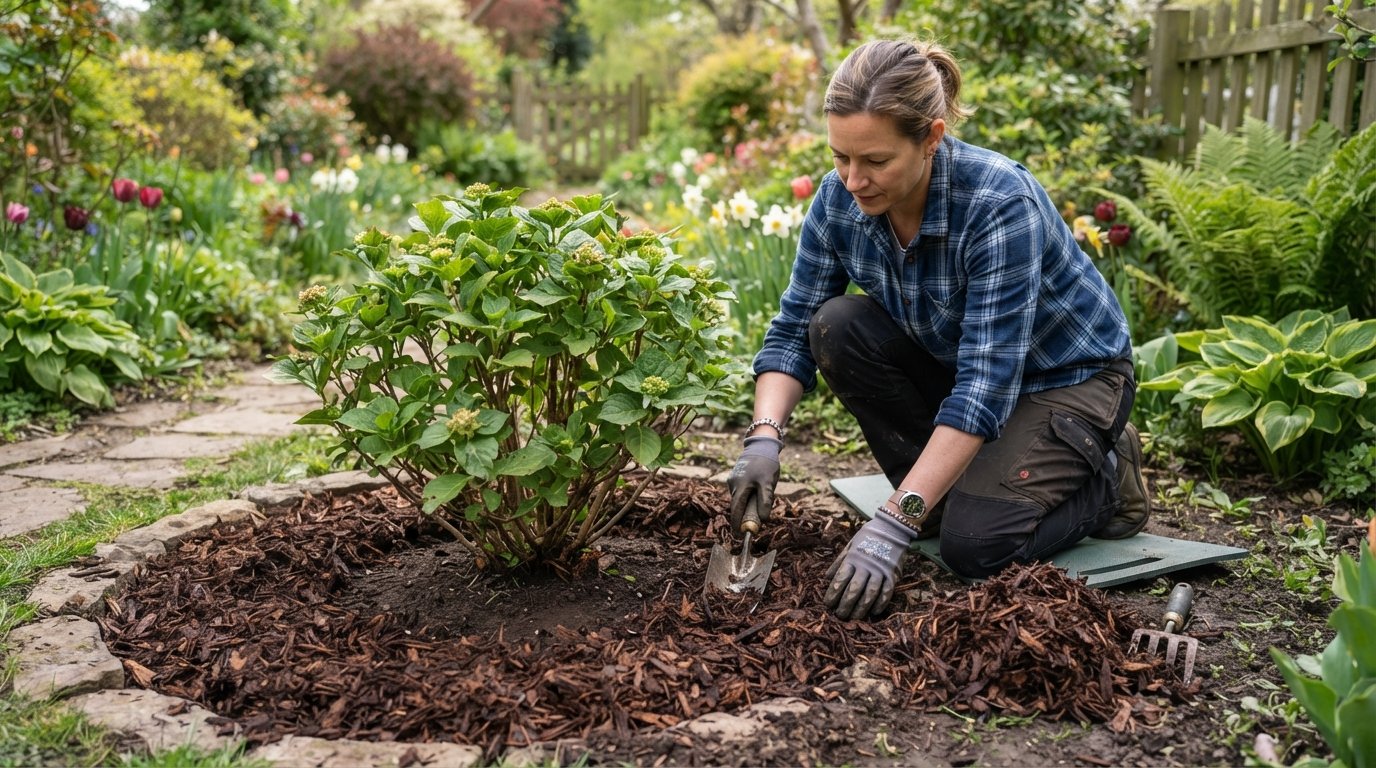
Maintenance is a schedule, not a mood. Ten minutes of weekly tidying prevents a weekend of catch-up. Check your drains every few weeks and scoop out any leaves or dirt that block the flow. Cut back spent blooms to push new growth. Check irrigation for clogs and leaks. Sharpen tools and store them dry. Add mulch in spring to hold moisture and suppress weeds. In autumn, cut perennials selectively and leave seed heads for birds and winter structure.
Decorate Without Clutter
Give your yard one or two eye-catching features and keep the rest of the space simple. A single well-placed planter, a bench under a tree, or a sculptural shrub does more than a scatter of small objects. Repeat colours and materials across the yard so the space reads as one design rather than several. Pick weather-resistant finishes such as powder-coated metal, sealed timber, and frost-proof ceramic, then store cushions and textiles when they are not in use. Personality should come from restraint and repetition, not volume.
Final Thoughts: Yard Guide Decadgarden
A yard gets better when it matches your daily routine. Plan around purpose first and fix the hardscape before you spend a dime on decor. That order protects your landscaping budget and saves you from tearing things out later.
Remember that no yard turns perfect in one season. Build it in stages and keep your yard maintenance light. Use this yard guide decadgarden as your checklist and your yard becomes the part of your home you use most.
Visit Decadegarden for more details.