Decoration Tips Decoradhouse From Decoratoradvice focus on creating a beautiful home without expensive furniture or constantly following new trends. The goal is to design a welcoming space where comfort, personal style, and everyday needs come together naturally. With decoration tips decoradhouse from decoratoradvice, you can refresh your living spaces without spending a fortune. From choosing inviting colors to arranging furniture thoughtfully, small changes can make a noticeable difference.
These practical home decoration tips offer fresh interior design ideas for every room. Whether you’re exploring budget-friendly home decoration or searching for modern home decorating ideas, you’ll find simple ways to improve your surroundings. The goal is to create a welcoming home that reflects your personality and makes daily life more enjoyable.
What Are Decoration Tips Decoradhouse From Decoratoradvice?
Great decorating starts with understanding how you use your space. The idea behind decoration tips decoradhouse from decoratoradvice combines comfort, practical planning, and attractive interior styling. Instead of chasing every trend, focus on improvements that make everyday life easier.
Good interior design ideas consider lighting, furniture size, storage, and personal taste. They help every room feel well-balanced, inviting, and thoughtfully arranged. A thoughtful design doesn’t require matching everything. It connects different elements through color, texture, and purpose.
Understanding the Basics of Home Decoration
Every comfortable room needs a clear focal point, thoughtful room layout, and pleasing design harmony. Start with the largest furniture piece. Then arrange smaller items around it. Keep pathways clear and give each piece of furniture enough room without overcrowding the space.
How to Plan Your Home Decoration Project
Before shopping, measure your rooms and photograph problem areas. Explore modern home decorating ideas that match your lifestyle. Put together a mood board with your favorite colors, furniture styles, and fabric choices to see how everything works together. This approach helps prevent purchases that don’t fit your space.
Set a Realistic Budget Before You Start
Successful budget-friendly home decoration starts with clear spending limits. Separate essential repairs from decorative purchases. Compare prices before buying furniture or accessories. Reserve a small amount for unexpected expenses because even simple projects sometimes cost more than planned.
| Decoration expense | Sample budget |
| Paint and supplies | $120 |
| Lighting improvements | $90 |
| Curtains and textiles | $100 |
| Storage accessories | $80 |
| Decorative accents | $60 |
| Extra expenses | $50 |
| Total | $500 |
Illustrative budget for a small decorating refresh, not a current retailer price quote.
Choose the Perfect Color Scheme for Your Home
The right color choice can completely transform a room’s atmosphere without changing a single piece of furniture. Soft shades create a peaceful atmosphere, while deeper colors add character. Explore home color scheme ideas that complement your floors, furnishings, and available daylight.
A successful color palette connects different rooms without making everything identical. Start with neutral colors for larger surfaces. Then introduce warm tones through pillows, curtains, or artwork. This creates flexibility when your decorating preferences change.
Select Colors That Match Your Interior Style
Warm white, beige, sage green, and soft gray work with many decorating styles. For minimalist home decor ideas, choose restrained colors and simple finishes. Traditional rooms often benefit from richer wood tones and classic patterns.
Use Accent Walls and Complementary Colors
Strategic accent walls add personality without overwhelming a room. Choose one wall behind a sofa or headboard. Use complementary colors carefully through smaller accessories. Test several paint samples because sunlight can change their appearance throughout the day.
Common Color Selection Mistakes to Avoid
Never select paint using a tiny sample alone. Make sure the color’s undertones blend naturally with your existing floors and furniture. Compare samples during morning and evening light. Also, avoid following trends that clash with your home’s existing materials.
Smart Furniture Arrangement and Interior Styling
Furniture should support your daily activities rather than simply fill empty space. Effective home furniture arrangement improves movement and creates comfortable gathering areas. Before moving heavy pieces, sketch a simple floor plan with accurate measurements.
Thoughtful modern interior styling also considers furniture proportions and available walking space. Oversized furniture can overwhelm compact rooms. In a spacious room, furniture that’s too small can look out of place and make the overall design feel unbalanced. Choose arrangements that suit the room’s actual purpose.
Arrange Furniture for Comfort and Functionality
Begin furniture placement around your room’s main activity. Arrange your living room furniture to create a cozy, welcoming space where family and friends can relax and chat easily. Aim for roughly 30–36 inches of clear walking space along main pathways where possible.
Choose Furniture That Fits Your Room Size
Measure doorways, walls, and available floor space before purchasing furniture. Consider multifunctional furniture such as storage benches and sleeper sofas. These pieces serve multiple purposes without requiring additional room.
Mix Textures, Materials, and Decorative Accessories
Mix smooth wood, soft linen, woven fabrics, and subtle metal finishes. Thoughtful texture layering creates depth without excessive decoration. Keep some negative space around important pieces so your room feels balanced rather than crowded.
Creative Decoration Ideas for Every Room
Each room deserves decorating choices that support its purpose. Practical creative home decorating ideas balance appearance with daily comfort. A bedroom needs relaxation, while a kitchen requires accessible storage and easy-to-clean surfaces.
Some of the best simple home decoration ideas come from making small, thoughtful changes that give your space a fresh look. Rearrange furniture, improve lighting, or replace worn textiles. These changes can refresh your home without requiring expensive structural work or unnecessary purchases.
Modern Living Room Decoration Tips
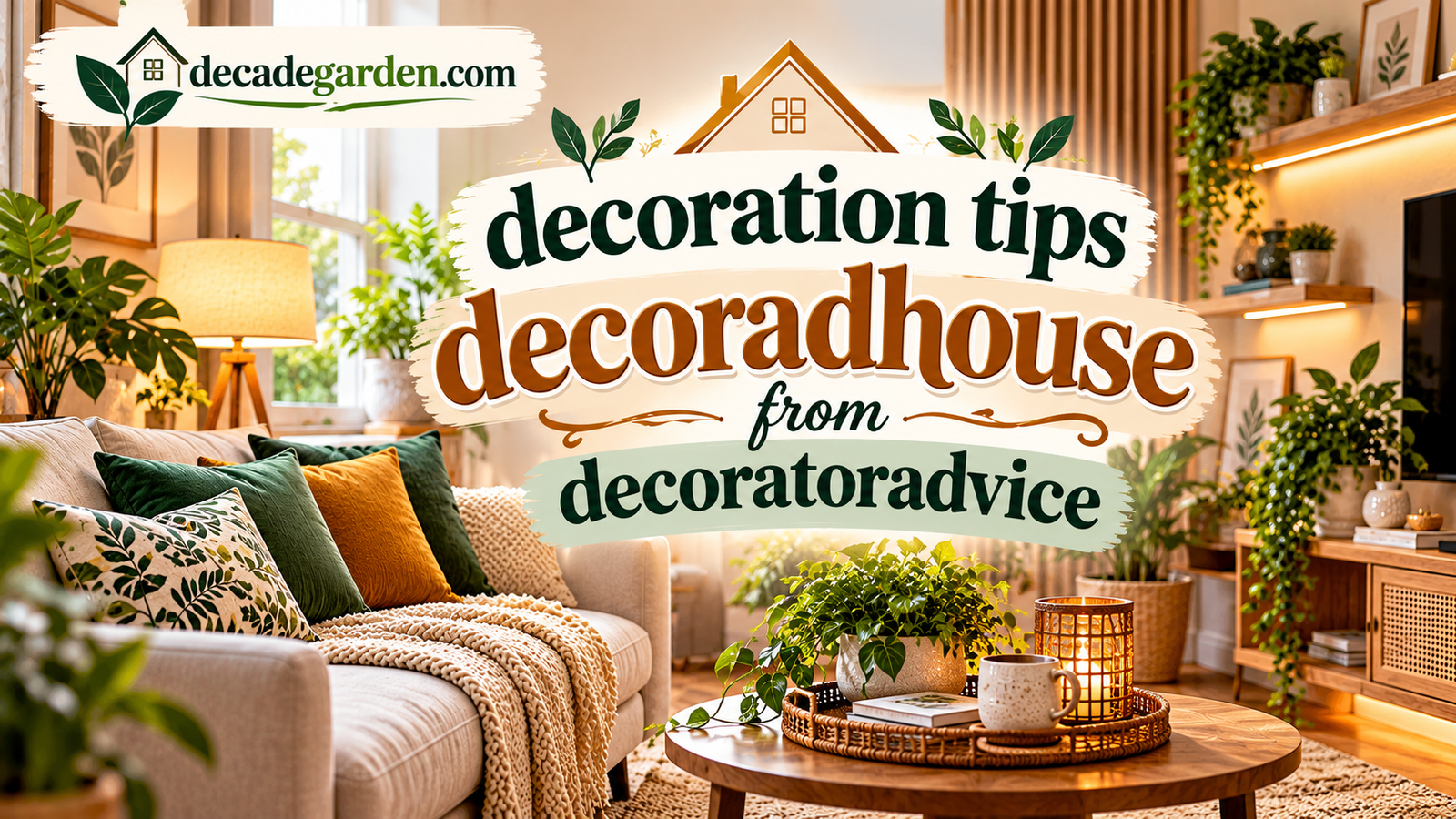
Effective living room decoration ideas begin with comfortable seating and coordinated area rugs. Bring warmth and personality to your living room with colorful, textured cushions. Pick a coffee table that fits comfortably and display a few carefully chosen decorative items to keep the space stylish and uncluttered.
Cozy and Relaxing Bedroom Design Ideas
Practical bedroom decorating tips prioritize cozy bedding, soft bedside lighting, and calming colors. Improve bedroom storage with drawers or under-bed containers. Keep bedside surfaces clear to create a restful atmosphere.
Practical Kitchen and Dining Area Updates
Affordable kitchen decoration ideas include replacing cabinet hardware and improving kitchen organization. Use open shelving selectively for attractive dishes. Install lighting beneath your kitchen cabinets to brighten countertops and make meal preparation easier.
Simple Bathroom Decoration Improvements
Useful bathroom decoration ideas include coordinated towels, mirrors, and moisture-resistant storage. Choose accessories that withstand humidity. Fix leaks and ventilation problems before decorating. A clean, organized bathroom often looks more appealing than one filled with expensive accessories.
Improve Home Lighting and Wall Decoration
Lighting affects comfort, visibility, and the overall appearance of your home. Smart home lighting design ideas use a mix of lighting options to brighten different areas and create a warm, welcoming atmosphere. This gives each room flexibility throughout the day.
Similarly, thoughtful wall decoration ideas create interest without overwhelming your interior. Artwork, mirrors, and subtle finishes can transform plain walls. Choose pieces that complement your furniture and support the room’s overall design.
Combine Natural, Ambient, and Accent Lighting
Layer ambient lighting for general brightness with task lighting for reading or cooking. Add accent lighting to highlight artwork. Maximize natural light through clear windows and lightweight curtains. Efficient LED fixtures offer flexible lighting options.
Creative Wall Art and Decorative Features
Use wall art to establish personality and decorative mirrors to reflect light. Consider textured walls for subtle depth. Group smaller artwork carefully instead of spreading unrelated pieces across every available surface.
Enhance Ceilings, Doors, and Architectural Details
Small architectural details can make ordinary interiors feel more finished. Refresh door paint, replace worn handles, or update simple trim. Choose improvements that complement existing features rather than introducing unrelated decorative styles.
Space-Saving Decoration and Smart Storage Solutions
Limited space doesn’t mean sacrificing comfort or attractive design. Practical small space decorating ideas help rooms function better without expensive renovations. Start by removing unnecessary belongings and identifying unused storage areas.
Well-planned smart home storage solutions combine accessibility with attractive finishes. Use cabinets for everyday clutter and shelves for selected displays. Effective home organization ideas should make daily routines easier rather than create additional maintenance.
Make Small Rooms Look Bigger
Choose appropriately sized furniture and keep pathways clear. Light finishes and mirrors can create a more open appearance. Avoid blocking windows with oversized furnishings. Consistent flooring and simple window treatments also support visual continuity.
Use Multifunctional Furniture and Vertical Storage
Use vertical storage when floor space is limited. Install suitable floating shelves or choose tall cabinets. Consider furniture with hidden storage, including ottomans and storage beds. Secure tall furniture to prevent tipping.
Keep Your Home Organized Without Sacrificing Style
Regular decluttering helps maintain comfortable rooms. Store everyday essentials near their usual locations. Use labeled containers inside cabinets and attractive baskets in shared spaces. Avoid buying additional organizers before sorting existing belongings.
Budget-Friendly Home Decoration and DIY Ideas
You don’t need a large budget to create a noticeable improvement. Practical affordable home improvement tips focus on repairs, repainting, and useful accessories. Start with changes that solve everyday problems before purchasing decorative extras.
Simple DIY home decor projects can also personalize your space. However, choose projects that match your experience. Decorative painting and basic furniture updates suit many beginners. Electrical and structural work often requires qualified professionals.
Refresh Existing Furniture Instead of Replacing It
A thoughtful furniture makeover can extend the life of existing pieces. Try cleaning upholstery, replacing handles, or refinishing suitable wooden surfaces. These affordable upgrades often cost less than buying new furniture.
Affordable DIY Decoration Projects
Create DIY wall art using personal photographs or inexpensive frames. Refresh plain planters with suitable paint. Use repurposed furniture when its condition and construction support continued use. Keep projects simple and functional.
Upgrade Your Home With Small Decorative Changes
New curtains, pillow covers, and lampshades can refresh a room quickly. Replace worn accessories rather than purchasing unnecessary decorations. Coordinate colors across several items to create a finished appearance without major spending.
Where to Save and Where to Spend
Save on seasonal accents, decorative trays, and easily replaceable accessories. Spend more carefully on mattresses, frequently used seating, and essential lighting. Compare durability, comfort, maintenance, and expected lifespan before making larger purchases.
Natural, Seasonal, and Personalized Decoration Ideas
Nature-inspired decorating brings warmth and texture into everyday spaces. Thoughtful sustainable home decoration considers durability, maintenance, and responsible purchasing. Instead of buying excessive accessories, choose useful pieces that suit your home’s existing style.
Personal details make rooms feel welcoming and distinctive. Combine seasonal home decorating tips with meaningful artwork, family photographs, and carefully selected objects. These additions can refresh your interior without replacing major furniture.
Decorate With Indoor Plants and Natural Materials
Choose indoor plants that suit available light and care requirements. Pair wooden furniture with natural materials such as linen or cotton. Attractive woven baskets can provide storage while adding texture.
Add Personal Touches Without Creating Clutter
Display meaningful photographs, books, and travel keepsakes in small groups. Leave enough space around each arrangement. Thoughtful symmetry can create order, while selective variation prevents rooms from feeling overly formal.
Refresh Your Interior With Seasonal Decorations
Use lightweight textiles and fresh greenery during warmer months. Introduce cozy throws and deeper colors during fall and winter. Keep seasonal accessories in labeled containers so changing your decor remains simple.
Outdoor Decoration and Energy-Efficient Home Upgrades
Outdoor areas can extend your home’s comfortable living space. Practical outdoor home decoration ideas combine suitable furniture, weather-resistant materials, and thoughtful lighting. Even a compact balcony can become a relaxing retreat.
Efficiency matters just as much as appearance. Choose energy-efficient lighting, appropriate window coverings, and durable furniture. When possible, select sustainable materials that suit your climate and maintenance needs.
Improve Your Front Entrance and Curb Appeal
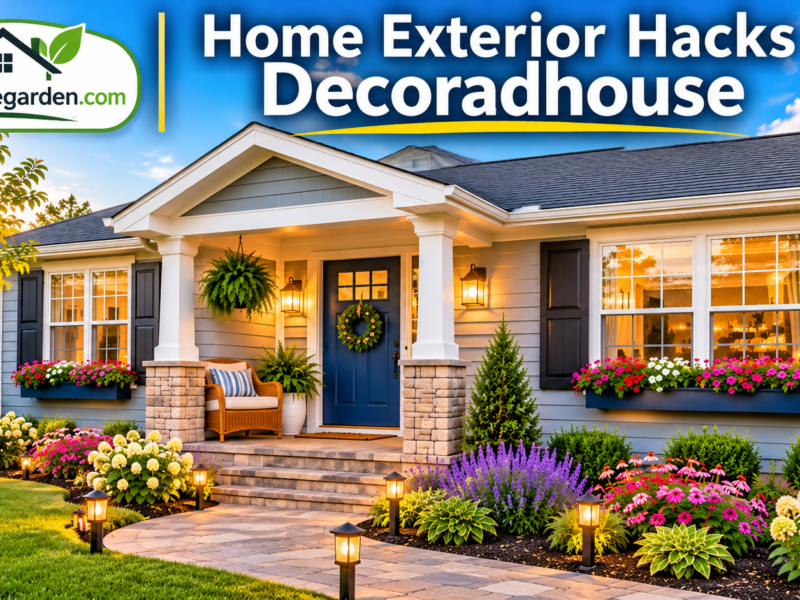
Improve curb appeal by cleaning pathways, maintaining the front door, and adding suitable plants. Well-positioned outdoor lighting improves visibility after dark. Choose weather-rated fixtures and keep entrances free from obstacles.
Style Patios, Balconies, and Outdoor Seating Areas
Select patio furniture that matches your available space. For compact balcony decor, use folding chairs and lightweight containers. Keep walking areas clear and choose accessories that tolerate local weather conditions.
Choose Sustainable and Energy-Efficient Decoration Options
Replace frequently used incandescent bulbs with suitable LEDs. Consider insulating curtains where appropriate. Repair usable furniture before replacing it. For additional guidance, explore the U.S. Department of Energy’s Energy Saver resources.
Common Home Decoration Mistakes and Expert Tips
Even attractive furniture can disappoint when the overall arrangement feels uncomfortable. Understanding home decor mistakes to avoid helps prevent wasted spending. Measure carefully, prioritize function, and evaluate how every addition affects daily movement.
Successful decoration tips decoradhouse from decoratoradvice emphasize visual consistency over excessive decoration. Repeated materials and coordinated colors help connect different spaces. However, your home should still reflect your personality rather than resemble a furniture showroom.
Avoid Overcrowding and Poor Furniture Placement
Don’t fill every empty corner with furniture. Leave comfortable pathways and allow doors to open fully. Check rug sizes and furniture proportions before purchasing. Thoughtful spacing makes rooms easier to use and maintain.
Maintain Visual Balance and a Consistent Design Style
Repeat selected colors and finishes across your interior. Balance large furniture with smaller decorative pieces. Avoid mixing too many competing patterns. A coordinated approach creates a pleasant atmosphere without requiring perfectly matched furnishings.
Prioritize Quality, Comfort, and Long-Term Value
Choose materials that suit your household’s daily activities. Consider cleaning requirements, construction quality, and replacement costs. Comfortable furniture with reliable construction often provides better long-term value than decorative pieces that rarely get used.
Final Home Decoration Checklist
Before finishing, review your room’s lighting, furniture placement, storage, and color coordination. Check walking space and maintenance needs. Make sure accessories serve a purpose or add genuine personal value.
| Area | What to check | Practical improvement |
| Colors | Do finishes work together? | Test samples in different lighting |
| Furniture | Can people move comfortably? | Adjust spacing and proportions |
| Lighting | Are work areas bright enough? | Add suitable task lamps |
| Storage | Does clutter have a home? | Use cabinets and organizers |
| Decoration | Does the room feel crowded? | Remove unnecessary accessories |
| Safety | Are fixtures and furniture secure? | Anchor tall furniture and address hazards |
Example: Refreshing a Small American Living Room
Imagine a 12-by-14-foot living room with limited daylight and mismatched accessories. The homeowner wants a brighter appearance without replacing the sofa. A practical plan starts with rearranging furniture, removing clutter, and introducing coordinated textiles.
The following example shows how a $500 budget could support a modest refresh.
| Improvement | Example cost |
| Warm neutral wall paint and supplies | $120 |
| New curtain panels | $70 |
| Floor lamp | $65 |
| Pillow covers and throw | $55 |
| Area rug | $140 |
| Small decorative accessories | $50 |
| Total | $500 |
These are illustrative costs rather than verified retail prices. Actual expenses depend on room size, materials, location, and labor.
The expected result is a more coordinated room with better lighting and improved comfort. This example illustrates a possible approach rather than a documented renovation outcome.
Conclusion: Decoration Tips Decoradhouse From Decoratoradvice
A welcoming home comes from thoughtful decisions rather than expensive purchases. Start with comfortable furniture placement, suitable colors, practical lighting, and organized storage. Then introduce personal details that make your rooms feel complete.
By following decoration tips decoradhouse from decoratoradvice, you can approach decorating with greater confidence. Focus on useful improvements, choose durable materials, and work within your budget. Most importantly, create a home that supports your lifestyle and feels comfortable every day.
Visit Decadegarden for more details.