A beautiful home doesn’t always require expensive renovations or major changes. Sometimes, small improvements can make your living space more comfortable, stylish, and functional. Upgrades Decoradhouse focuses on practical home improvement ideas that help homeowners refresh their spaces without overspending. From modern kitchens and cozy bedrooms to outdoor spaces, thoughtful upgrades can transform everyday living.
Whether you’re exploring budget-friendly home upgrades, improving storage, or adding smart technology, the right choices can make a noticeable difference. This guide covers modern home upgrades, simple DIY home improvement projects, and energy-saving solutions for American homeowners. Discover affordable ways to improve your home’s appearance, increase comfort, and create a welcoming space that suits your lifestyle.
What Are Upgrades Decoradhouse?
Home upgrades are changes that improve how your house looks, feels, or functions. They range from simple decorating projects to larger improvements. Unlike major home renovation, many upgrades require little disruption. The best modern home upgrades balance comfort, durability, appearance, and practical everyday needs.
A new lamp might improve a dark reading corner. Meanwhile, better insulation can make your home more comfortable year-round. These cost-effective home improvements address actual problems rather than following every design trend. Your goal should be a house that works better for you.
Understanding Home Upgrades and Their Benefits(upgrades-decoradhouse)
Successful home interior design ideas combine attractive details with practical solutions. Updated lighting improves visibility, while organized storage reduces clutter. Certain improvements may also support resale appeal. However, their effect on property value depends on local market conditions and installation quality.
Why Small Home Improvements Matter
You can make a noticeable difference in your home with a few simple changes that cost very little. Replacing worn cabinet handles can refresh an entire kitchen. Similarly, new curtains may soften harsh sunlight. These simple changes improve everyday comfort while allowing homeowners to spread costs across several months.
How to Plan Your Home Upgrades(upgrades-decoradhouse)
Good home renovation planning starts with understanding your house. Walk through every room and notice what causes frustration. Perhaps your hallway feels crowded, or your kitchen lacks preparation space. Identify these problems before choosing materials, colors, or furniture.
Next, establish a realistic budget that covers materials, tools, labor, and unexpected expenses. Compare estimates before making major purchases. Strong project priorities keep essential repairs ahead of decorative changes. This approach prevents expensive mistakes and helps you finish projects without unnecessary stress.
Assess Your Home’s Needs
Check each room for worn-out areas, unwanted airflow, dim spaces, and empty corners that could serve a better purpose. Pay attention to daily routines. A narrow entrance might need wall hooks instead of another cabinet. Smart home organization ideas begin with the problems you experience regularly.
Set a Realistic Budget and Priorities
Estimate renovation costs before purchasing materials. For larger projects, consider setting aside an additional 10–20% as a planning contingency. This isn’t a universal requirement. Older properties or uncertain conditions may need more. Compare essential repairs with optional DIY improvements before spending.
Choose Between DIY and Professional Upgrades
Painting walls and assembling organizers are common DIY home improvement projects. However, electrical rewiring, structural changes, and complex plumbing require appropriate expertise. Check local permit requirements and contractor licensing rules before starting. Professional installation can prevent costly safety problems.
Living Room and Bedroom Upgrade Ideas(upgrades-decoradhouse)
Your living room should welcome guests without sacrificing daily comfort. Effective living room makeover ideas include better furniture arrangement, washable area rugs, and coordinated decorative cushions. Try neutral colors for larger surfaces. Then introduce personality through artwork, plants, or carefully chosen accent walls.
Bedrooms deserve equal attention because they support rest and relaxation. Practical bedroom improvement ideas include comfortable bedding, upholstered headboards, and convenient bedside lamps. Choose calming colors that suit your preferences. Meanwhile, under-bed storage can free valuable floor space in smaller rooms.
Refresh Furniture, Colors, and Décor
Start by rearranging existing furniture before buying replacements.Arrange your furniture to leave enough room for easy movement, and choose pieces that fit your space comfortably. Layering textures through curtains, cushions, and rugs adds warmth. Thoughtful home interior design ideas often create a fresh appearance without requiring expensive new furniture.
Create a Comfortable and Functional Bedroom
Choose bedding that suits your climate and sleeping preferences. Thick blackout curtains help keep early morning sunlight from disturbing your sleep. Add accessible bedside lamps and practical under-bed storage. These small improvements make bedrooms easier to use while keeping the atmosphere calm.
Improve Layout and Everyday Comfort
Arrange each room so you can move around comfortably without bumping into furniture. Place furniture around daily activities instead of filling empty corners. Consider multifunctional furniture when space is limited. A storage bench, for example, can provide seating and conceal blankets without crowding the room.
Modern Kitchen and Bathroom Upgrades(upgrades-decoradhouse)
Kitchens experience heavy daily use, making practical updates especially valuable. Affordable modern kitchen upgrades include cabinet refinishing, improved under-cabinet lighting, and better drawer organizers. If your cabinets remain structurally sound, repainting them may cost less than replacement. Protect existing kitchen countertops during the process.
Bathrooms benefit from thoughtful changes that improve hygiene and convenience. Popular bathroom renovation ideas include updated bathroom fixtures, efficient shower systems, and a modern vanity. Prioritize improved ventilation where moisture accumulates. Persistent dampness can damage finishes and encourage mold growth.
Affordable Kitchen Cabinet and Countertop Updates
Fresh cabinet paint can change a kitchen’s appearance dramatically. Choose coatings suitable for cabinet surfaces and follow preparation instructions. For kitchen countertops, compare durability, cleaning needs, and installation costs. Sometimes, repairing an existing surface makes more financial sense than replacing it.
Improve Bathroom Fixtures and Storage
Replace worn accessories and organize everyday products around actual routines. A modern vanity can provide enclosed storage and improve counter space. Check for leaks before making decorative changes. Reliable bathroom fixtures matter more than fashionable finishes that require frequent repairs.
Simple Upgrades Without Major Renovations(upgrades-decoradhouse)
Not every kitchen or bathroom needs demolition. Replace removable accessories, update mirrors, or refresh suitable painted surfaces. Renters should obtain permission before permanent changes. These affordable home renovations preserve existing structures while improving appearance and usability.
Lighting, Flooring, and Storage Improvements
The right lighting can make a room feel bright and lively during the day, then warm and relaxing in the evening. Effective home lighting upgrades combine ambient lighting, task lighting, and accent lighting. Ceiling fixtures provide general brightness, while focused lamps support reading or cooking. Modern energy-efficient lighting can reduce unnecessary electricity use.
Floors and storage also deserve careful planning. Choose durable flooring for high-traffic areas, especially entrances and kitchens. Consider moisture resistance and flooring maintenance before selecting materials. Meanwhile, practical home storage solutions can make even compact rooms feel organized and comfortable.
Modern Lighting Ideas for Every Room
Use warm lighting in relaxing spaces and brighter task lighting where precision matters. Under-cabinet fixtures improve kitchen visibility. Dimmers offer flexibility when compatible with your bulbs. Well-planned ambient lighting and task lighting make rooms more useful throughout the day.
Affordable and Durable Flooring Options
Popular flooring improvement ideas include luxury vinyl plank, laminate, tile, and carpet. Each material has different strengths. Check manufacturer guidance for wet areas and installation conditions. Prioritize durable flooring and appropriate moisture resistance over appearance alone.
Smart Storage and Organization Solutions
Use floating shelves for suitable wall displays and vertical storage for unused space. Modular furniture can adapt as your needs change. Meanwhile, multifunctional furniture reduces clutter by serving several purposes. Secure tall storage units properly to prevent tipping.
Smart Home and Energy-Efficient Upgrades
Technology can make everyday routines easier without complicating your home. Useful smart home upgrades include smart thermostats, video doorbells, and smart locks. Some households also benefit from automated curtains. Choose devices that solve practical problems and work with your existing systems.
Energy savings deserve equal attention. Effective energy-efficient home upgrades include better home insulation, efficient appliances, and sealing drafts. These changes may reduce electricity consumption while improving indoor comfort. Start with simple efficiency problems before investing in expensive equipment.
Smart Lighting, Thermostats, and Security
Smart bulbs let you adjust brightness and schedules through compatible controls. Meanwhile, smart thermostats can manage heating and cooling automatically. Video doorbells and smart locks add convenience. Protect connected devices with strong passwords, software updates, and secure home networks.
Energy-Saving Appliances and Insulation
Before replacing working equipment, evaluate its condition and energy use. ENERGY STAR certification can help identify efficient appliances. Proper home insulation also reduces unwanted heat transfer. However, insulation needs vary by climate, construction, and existing materials.
Reduce Utility Bills With Practical Improvements
Start by sealing drafts around suitable doors and windows. Next, replace inefficient bulbs and maintain HVAC filters. According to ENERGY STAR, certified smart thermostats save approximately 8% on heating and cooling bills on average. Actual savings vary by household.
ENERGY STAR
+1
Outdoor, Garden, and Exterior Upgrades
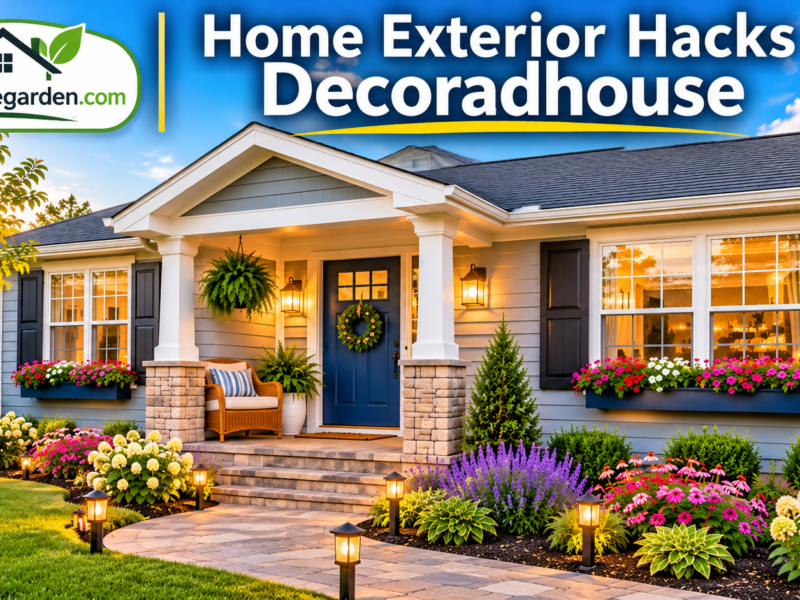
Your outdoor space creates the first impression of your property. Thoughtful outdoor home improvements can strengthen curb appeal without major construction. Fresh entrance paint, tidy landscaping, and clean garden pathways create an inviting atmosphere. Small changes often make neglected exterior spaces feel welcoming.
Backyards also offer opportunities for affordable improvements. Practical garden upgrade ideas include container plants, comfortable outdoor seating, and low-maintenance landscaping. Choose materials that tolerate local weather conditions. In dry regions, drought-tolerant plants may reduce watering needs and ongoing maintenance.
Improve Curb Appeal and Home Entrances
Start with a clean walkway and well-maintained entrance. Update worn house numbers, refresh suitable exterior paint, and add attractive planters. Good lighting improves visibility after dark. These simple outdoor home improvements can create a stronger first impression.
Refresh Patios, Pathways, and Garden Spaces
Gravel paths, container gardens, and weather-resistant furniture offer practical improvements. Choose plants suited to your USDA growing zone. Consider drainage before installing patios or garden pathways. Poor water management can damage nearby structures and landscaping.
Outdoor Lighting and Low-Maintenance Landscaping
Use pathway lights to improve nighttime visibility. Motion-activated fixtures can provide illumination when needed. For low-maintenance landscaping, consider native plants and suitable mulch. Comfortable outdoor seating can turn an overlooked corner into a relaxing gathering space.
Budget-Friendly Upgrades Decoradhouse Ideas
A limited budget shouldn’t stop you from improving your home. Smart budget-friendly home upgrades focus on visible results and everyday usefulness. Painting, replacing hardware, and improving storage can transform familiar spaces. Begin with affordable projects before considering major construction.
The strongest cost-effective home improvements also reduce future maintenance. For example, repairing a minor draft may improve comfort without replacing windows. These DIY home improvement projects offer practical value when homeowners choose suitable materials and follow safe installation methods.
Home Improvements Under $100
Small budgets can still deliver useful results. Consider new cabinet handles, storage baskets, LED bulbs, or basic weatherstripping. These affordable home renovations work best when existing surfaces and fixtures remain in good condition.
Easy DIY Weekend Projects
Refresh an accent wall, reorganize a closet, or repaint suitable furniture. Simple DIY home improvement projects can fit into a weekend. Allow enough time for surface preparation, drying, and cleanup. Always follow product instructions.
High-Impact Upgrades Without Overspending
Focus on areas you use most often. Better lighting may improve a dark kitchen more than decorative accessories. Similarly, practical home storage solutions can make crowded rooms easier to manage. Spend where the improvement matters daily.
Estimated Costs of Affordable Home Upgrades
The following figures are illustrative US materials-only budgets for small DIY projects. They aren’t verified local retail quotes.
|
Home upgrade |
Estimated DIY budget |
Main benefit |
|
Cabinet hardware replacement |
25–100 |
Updated kitchen appearance |
|
LED bulb replacements |
20–80 |
Improved lighting efficiency |
|
Accent wall painting |
40–100 |
Refreshed room appearance |
|
Basic closet organizers |
30–100 |
Better storage |
|
Door weatherstripping |
15–60 |
Reduced drafts |
|
Decorative mirrors |
30–100 |
Improved visual appeal |
|
Container garden |
25–100 |
More attractive outdoor space |
Actual prices depend on material quality, quantities, location, and project complexity. Professional labor can increase the total substantially.
Example: A $300 Living Room Refresh
Imagine a small living room with outdated lighting and mismatched accessories. The furniture remains usable, so replacing it would waste money. Instead, the homeowner chooses a few focused improvements.
| Improvement | Example budget |
| Wall paint and supplies | $75 |
| New lamp | $45 |
| Decorative cushions | $40 |
| Area rug | $90 |
| Storage baskets | $30 |
| Total | $280 |
This illustrative makeover leaves $20 for minor extras. The room gains better lighting, coordinated colors, and practical storage. No expensive furniture replacement is necessary.
Common Home Upgrade Mistakes to Avoid
Even attractive upgrades can become disappointing without proper planning. One common mistake involves choosing appearance over durability. Cheap materials may require frequent replacement. Similarly, poorly measured furniture can obstruct movement. Successful home renovation planning considers maintenance, usability, and long-term costs.
Another problem involves ignoring hidden damage. Fresh paint won’t repair a leaking wall or persistent moisture problem. Address safety concerns before decorative changes. Understanding renovation costs and realistic timelines helps homeowners avoid rushed decisions and unnecessary spending.
Overspending Without a Clear Plan
Impulse purchases can quickly exhaust a limited budget. Create a realistic budget before shopping and compare several suitable options. Include installation supplies and unexpected expenses. Clear project priorities help prevent unnecessary upgrades.
Choosing Style Over Functionality
Trendy finishes aren’t always suitable for busy households. Consider cleaning needs, wear resistance, and comfort before purchasing. Practical home interior design ideas should make daily activities easier. Attractive spaces still need sensible layouts and dependable materials.
Ignoring Maintenance, Safety, and Quality
Water leaks, damaged wiring, and unstable structures require attention before decoration. Avoid covering problems with cosmetic finishes. Follow local building rules and hire qualified professionals when necessary. Durable results depend on proper preparation and safe installation.
Which Home Upgrades Should You Prioritize First?
Not every improvement deserves immediate attention. Start with repairs that protect safety and prevent further damage. Next, address problems affecting everyday comfort and daily routines. Afterward, consider decorative changes and optional technology. This order helps control costs while improving functional living spaces.
For many households, the best modern home upgrades combine usefulness with lasting appeal. Lighting, storage, ventilation, and efficient equipment may deliver practical benefits. However, the right choice depends on your property’s condition, household needs, and available budget.
Essential Repairs vs. Cosmetic Improvements
Safety problems should come first. Fix active leaks, dangerous wiring, and structural concerns before repainting rooms. Once essential repairs are complete, consider DIY improvements that enhance appearance. This approach protects your investment and reduces repeated work.
Upgrades That Improve Comfort and Home Value
Improved lighting, practical storage, and well-maintained bathrooms can strengthen everyday usability. Some upgrades may also support property value. However, resale returns vary by neighborhood and market conditions. Choose improvements that benefit your household first.
Create a Step-by-Step Home Improvement Checklist
Begin with a room inspection and identify urgent problems. Next, estimate costs and establish project priorities. Compare materials, confirm installation requirements, and schedule manageable projects. Finally, review the results before starting another upgrade.
Home Upgrade Priority Comparison(upgrades-decoradhouse)
|
Priority |
Type of improvement |
Example |
|
First |
Safety and damage prevention |
Electrical hazards, active leaks |
|
Second |
Essential functionality |
Ventilation, heating, plumbing |
|
Third |
Energy performance |
Air sealing, insulation |
|
Fourth |
Daily comfort |
Lighting, storage, furniture layout |
|
Fifth |
Decorative appearance |
Paint, artwork, accessories |
|
Sixth |
Optional convenience |
Smart devices, automated features |
This order provides a useful starting point. Individual homes may require a different sequence.
Final Thoughts: Upgrades Decoradhouse
Improving your home doesn’t require an enormous budget or a complete renovation. Thoughtful upgrades decoradhouse projects can make ordinary spaces more comfortable, attractive, and functional. The key is choosing improvements that address real needs.
From living room makeover ideas to energy-efficient home upgrades, every project should serve a clear purpose. Prioritize essential repairs, compare costs, and select materials that suit your lifestyle. Small improvements can create meaningful results when you plan carefully.
Ultimately, a better home isn’t necessarily the most expensive one. It’s a place that supports your routines, reflects your personality, and feels comfortable every day.Click hare see more details.